




Veterans have some of the lowest levels of wellbeing, with around 160,000 self-reporting deep dissatisfaction with their lives. They may struggle with chronic health conditions, common mental health disorders and the anxiety which can come with unemployment and the feeling that their lives lack purpose.
Veterans can face barriers with accessing the support they need. Stigma, addiction, the military culture of stoicism can make the veteran community hard to reach with traditional therapeutic approaches.
The Defence Gardens Scheme provide nature-based therapy as an alternative to traditional solutions. Combining professional support with access to the natural environment, the approach offers an alternative way for people to be introduced to self-care skills and receive the support they need.
A pilot programme to offer the 10-week programme of support to veterans based in four gardens spread across all four nations of the UK has supported around 100 people over the last two years. The participants spend time doing:
- Practical gardening activities, such as planting seeds
- Journaling
- Mindfulness
- Reflection
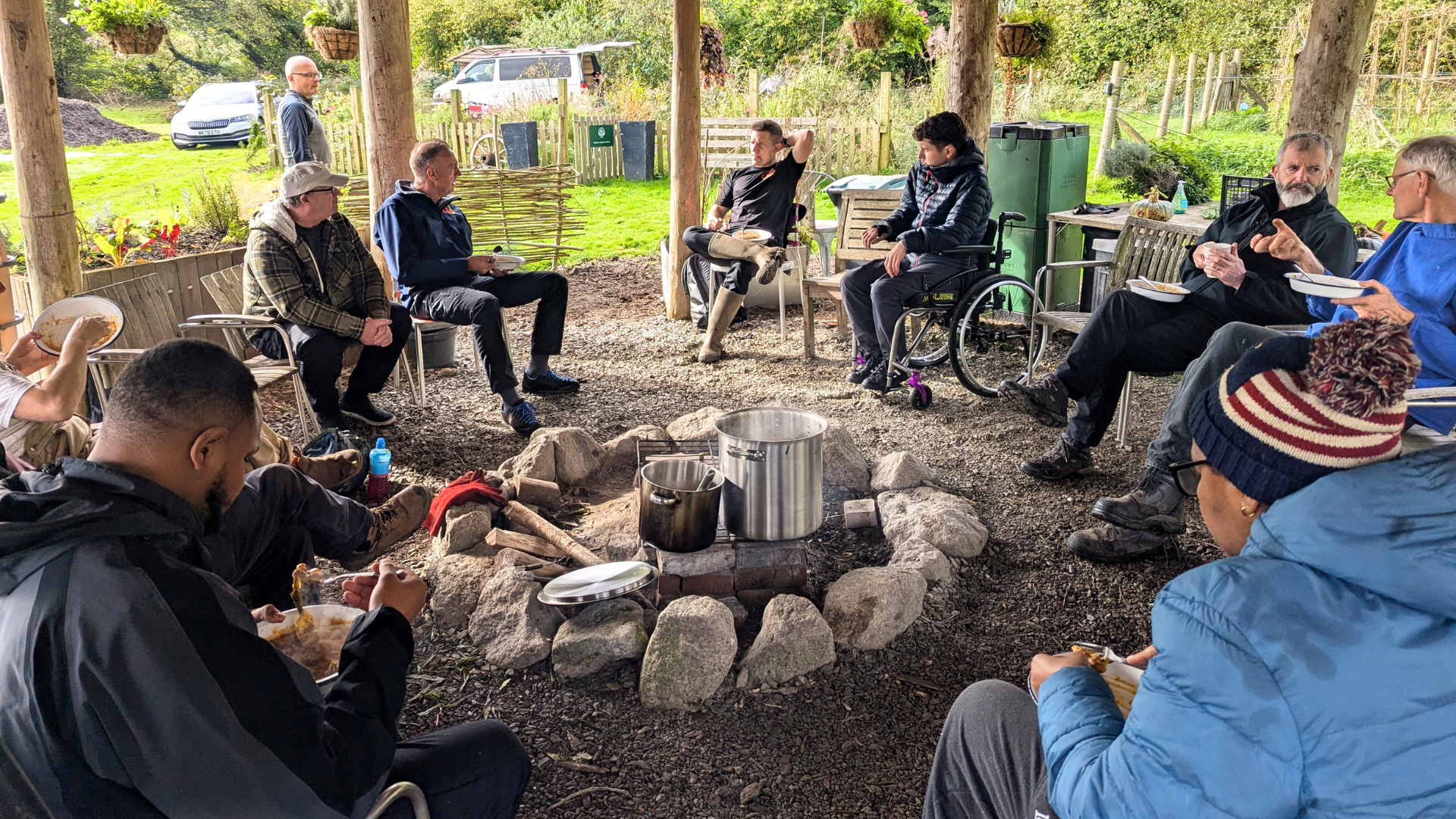
However, participants have highlighted that it is often the informal moments such as sharing lunch around the fire pit with a cup of tea that play an important role in breaking down barriers and building connections.
We found good evidence that the Defence Gardens Scheme’s nature-based intervention improves veterans wellbeing. Our analysis found that:
- wellbeing outcomes improve by around 0.9 Life Satisfaction points (on a 0-10 scale), compared to a matched comparison group of similar people.
- the increase in wellbeing is equivalent to £14,700 wellbeing benefits for each person supported.
- for every £1 spent, the programme generated around £5 in wellbeing benefits in 2025, with the potential for an even higher return with changes planned for 2026.
As the NHS looks to implement its 10 year plan to move “from hospital to community” there is an opportunity to think about support for mental health differently. Ultimately, no single approach will work for everyone and in reality this shouldn’t be an “either or” offering. Instead, there is a strong case for considering a blended offer of traditional therapies in clinical settings, alongside alternative approaches like this nature-based scheme.